


NFC Uses Guide: NFC Technology Explained - How It Works

Near Field Communication (NFC) is a technology that has quietly transformed the way we interact with devices and services in our daily lives. From contactless payments to smart posters, NFC offers a seamless and secure way to exchange information over short distances. This article will explore the fundamentals of NFC, how it works, and practical examples of its uses.
What is NFC and How Does It Work? - NFC Uses Guide
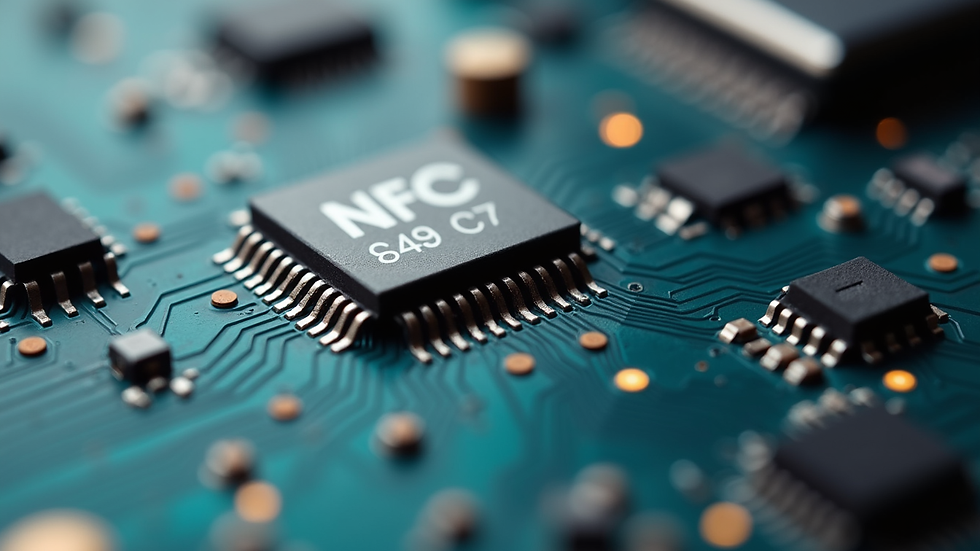
NFC is a wireless communication technology that enables two devices to exchange data when they are placed close together, typically within 4 centimetres. It operates at a frequency of 13.56 MHz and uses electromagnetic induction to transfer information.
The technology is based on RFID (Radio Frequency Identification) but is designed for short-range communication and faster data exchange. NFC devices can act as both readers and tags, allowing two-way communication. This means your smartphone can read information from an NFC tag or send data to another NFC-enabled device.
The process is simple: when two NFC devices come into proximity, they establish a connection and exchange data securely. This connection is quick and requires no manual pairing, making it ideal for fast transactions and interactions.
Common NFC Uses Guide: Everyday Applications
NFC technology has found its way into many everyday applications, making life more convenient and efficient. Here are some of the most common uses:
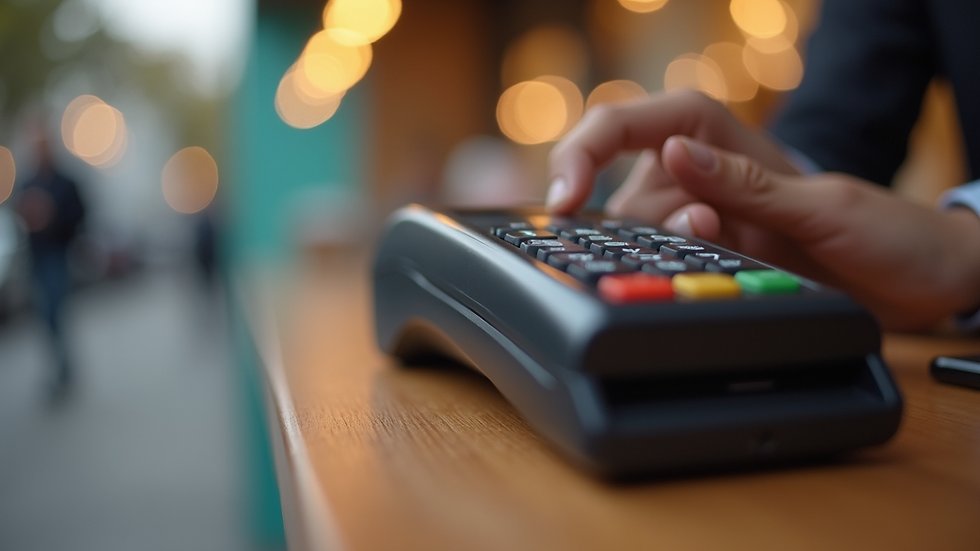
Contactless Payments: One of the most popular uses of NFC is in mobile payment systems like Apple Pay, Google Pay, and Samsung Pay. Users simply tap their phone or smartwatch on a payment terminal to complete a transaction securely and quickly.
Access Control: NFC is widely used in security systems for access control. Employees can use NFC-enabled ID cards or smartphones to enter buildings or restricted areas without physical keys.
Public Transport: Many cities use NFC-enabled cards or smartphones for fare payment on buses, trains, and trams. This speeds up boarding and reduces the need for cash handling.
Smart Posters and Marketing: Businesses use NFC tags embedded in posters or flyers. When scanned, these tags can direct users to websites, download apps, or provide promotional offers.
Data Sharing: NFC allows quick sharing of contacts, photos, or files between devices by simply tapping them together.
These examples show how NFC technology is integrated into various aspects of daily life, enhancing convenience and security.
How NFC Technology Works in Detail
To understand NFC better, it helps to look at the technical side of how it functions:
Initiator and Target: NFC communication involves two roles - the initiator, which generates the radio frequency field, and the target, which responds to the initiator. For example, a smartphone (initiator) can read data from an NFC tag (target).
Communication Modes: NFC supports three modes:
Reader/Writer Mode: The device reads or writes data to NFC tags.
Peer-to-Peer Mode: Two NFC-enabled devices exchange data.
Card Emulation Mode: The device acts like a contactless card, such as for payments or access.
Data Transfer: NFC transfers data at speeds up to 424 kbps, which is sufficient for small data packets like payment information or URLs.
Security: NFC transactions are secure due to the short range and encryption protocols. For sensitive uses like payments, additional security layers such as tokenisation and biometric authentication are used.
Power Supply: NFC tags are often passive, meaning they do not have their own power source. They draw power from the electromagnetic field generated by the initiator device.
Advantages and Limitations of NFC Technology
Understanding the strengths and weaknesses of NFC helps in deciding where and how to use it effectively.
Advantages
Ease of Use: NFC requires no manual setup or pairing. Just bring devices close together.
Speed: Transactions and data exchanges happen almost instantly.
Security: Short range reduces the risk of interception, and encryption adds protection.
Versatility: NFC can be used for payments, access, data sharing, and more.
Low Power Consumption: Passive NFC tags do not require batteries.
Limitations
Short Range: NFC only works within a few centimetres, which can be a limitation for some applications.
Data Size: NFC is suitable for small data transfers but not for large files.
Compatibility: Both devices need to support NFC for peer-to-peer communication.
Cost: Implementing NFC infrastructure can be costly for businesses.
Despite these limitations, NFC remains a powerful tool for quick, secure, and convenient interactions.
Practical Tips for Using NFC in Daily Lif
To make the most of NFC technology, consider these practical recommendations:
Enable NFC on Your Device: Most modern smartphones have NFC built-in but may require you to enable it in settings.
Use Trusted Apps: For payments and sensitive data, use official apps from reputable providers.
Protect Your Device: Use screen locks and biometric authentication to secure NFC transactions.
Explore NFC Tags: You can buy programmable NFC tags to automate tasks like setting alarms, connecting to Wi-Fi, or sharing contact details.
Stay Updated: Keep your device’s software updated to benefit from the latest security features.
By following these tips, you can safely and effectively integrate NFC into your daily routine.
The Future of NFC Technology
NFC technology continues to evolve, with new applications emerging regularly. Innovations include:
Enhanced Security Features: Biometric authentication and blockchain integration for safer transactions.
IoT Integration: NFC will play a key role in connecting smart home devices and wearables.
Healthcare Applications: NFC-enabled devices for patient monitoring and data sharing.
Retail Innovations: Interactive shopping experiences using NFC tags and smart shelves.
As NFC technology advances, it will become even more embedded in our lives, offering new ways to interact with the world around us.
For those interested in a deeper understanding, nfc technology explained provides a comprehensive overview of the technical and practical aspects of NFC.
NFC technology is a simple yet powerful tool that enhances convenience, security, and connectivity. Whether you are tapping your phone to pay for coffee or using an NFC tag to automate your home, understanding how NFC works can help you unlock its full potential. Keep exploring and experimenting with NFC to discover new ways it can improve your everyday experiences.


Comments